
How to Maintain Optimal Hearing Aid Fit Over Time
When you first receive your hearing aids, they are adjusted to fit your
By: admin | August 21, 2025
We encounter loud sounds more often than most people realize, from lawn mowers and power tools to concerts and sporting events. What many don’t consider is how these everyday noise exposures can gradually damage hearing over time, often without any immediate warning signs. The encouraging news is that most noise-related hearing damage is completely preventable when you use appropriate ear protection. The key is finding protection that actually works for your specific activities and that you’ll actually want to use consistently.
Choosing the right ear protection isn’t just about grabbing the first pair of earplugs you see at the store. Different activities require different types of protection, and what works perfectly for your weekend woodworking projects might not be suitable for attending your favorite band’s concert. Factors like comfort, how well you need to hear conversations and the specific noise levels you’re dealing with all play a role in determining which type of ear protection will work best for your situation. When you find ear protection that fits your needs and lifestyle, you’re much more likely to use it regularly and protect your hearing for years to come.
Protecting your ears is one of the best ways to support your hearing health. Exposure to loud sounds or water can cause lasting damage if you are not careful. Ear protection helps reduce these risks by blocking out harmful noise or preventing water from entering the ear canal.
Everyday noises like concerts, machinery or even lawn mowers can be much louder than you realize. Over time, these sounds can lead to permanent hearing loss. Using earplugs or earmuffs when needed is a simple step that makes a real difference. Choosing the right type for each activity ensures your ears get the protection they need.
Hearing begins when sound waves travel through the air and enter your outer ear. These vibrations move down the ear canal until they reach the eardrum, which responds by vibrating in rhythm with the sound. The eardrum then passes these vibrations to the middle ear, where three small bones amplify and transmit the energy further along the hearing pathway. This careful process ensures even soft sounds are carried forward with enough strength to be detected.
From there, the vibrations move into the inner ear, where the cochlea plays a vital role. The cochlea is a spiral-shaped structure filled with fluid and lined with thousands of delicate hair cells. As the fluid inside the cochlea shifts, these hair cells bend in response to specific frequencies, converting mechanical vibrations into electrical signals. Each group of hair cells is tuned to respond to different pitches, which is how we are able to detect a wide range of sounds, from deep bass notes to high-pitched tones.
Once converted into electrical signals, sound information travels along the auditory nerve to the brain. The brain then interprets these signals, allowing us to recognize speech, enjoy music and notice environmental sounds. This coordination between the ear and the brain is what makes hearing such a seamless and essential part of everyday life. When all parts of this system work together, sound feels natural and effortless.
Hearing loss occurs when parts of this system are damaged or weakened, and one of the most vulnerable components is the hair cells in the cochlea. Loud noises can stress or destroy these cells, and since they cannot repair or replace themselves, the damage is permanent. Over time, this can lead to difficulty understanding speech, missing certain pitches or needing higher volumes to hear clearly. Protecting your ears from loud sounds is one of the most effective ways to preserve hearing, since once those cells are lost, the brain receives incomplete information and the listening process becomes more challenging.
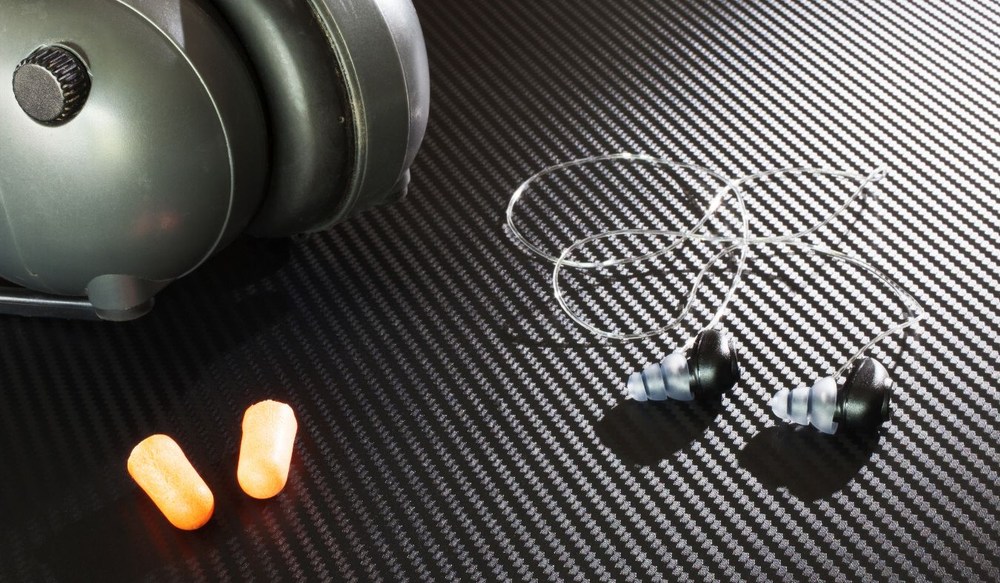
Protecting your hearing starts with finding the right type of ear protection for your needs. There are several options available, each designed with different situations in mind. Disposable foam earplugs are one of the most common and convenient choices.
They fit snugly in the ear canal, block out loud sounds and can be tossed after a single use, making them ideal for concerts, sporting events or quick tasks like mowing the lawn. Reusable earplugs, often made from silicone, offer a longer-lasting option and are easy to clean, so they’re great for regular use.
For those who want a more personalized fit, custom earplugs are molded to your ears by a hearing professional. They’re often chosen by musicians, motorcyclists or people who need comfortable protection over long periods. Noise-reducing earmuffs or headphones are another option, covering the ears completely to block sound.
These are especially popular for shooting ranges, construction work or other loud hobbies where you want maximum protection. With so many types available, you can match your ear protection to the activities you enjoy, making it easier to keep your hearing safe while still doing the things you love.
Disposable earplugs are one of the most accessible forms of hearing protection because they combine affordability with convenience. Made from soft foam, they compress easily for insertion into the ear canal, where they then expand to create a snug fit. This design blocks out a wide range of loud sounds and helps reduce the risk of noise damage. Since they are small and lightweight, you can keep a pair in your pocket, bag or car, making them a go-to option whenever you find yourself in a noisy environment.
These earplugs work well for short-term activities like concerts, sporting events or yardwork with loud equipment, where you might only need protection for a few hours. Many travelers also rely on disposable earplugs to reduce the sound of airplane engines, crowded spaces or noisy hotels. Because they are meant for single use, they minimize the chance of bacteria buildup that could occur if the same set were reused over time.
For people who struggle with sleep due to a snoring partner or outside noise, disposable earplugs can provide some much-needed quiet. Their soft foam makes them comfortable enough to wear overnight, and tossing them afterward helps keep your ears clean. While they may not offer the durability of reusable options, their ease of use makes them an excellent choice when you need quick and reliable protection.
The biggest advantage of disposable earplugs is that you don’t have to worry about cleaning or storing them. Simply use them when needed, then replace them with a fresh pair next time. Whether you’re heading to a concert, operating power tools or just trying to get a good night’s sleep, disposable earplugs provide a simple way to reduce unwanted noise and protect your hearing.
Headphones and earmuffs are another practical way to protect your hearing, especially in settings where noise is frequent, unpredictable or particularly loud. Unlike earplugs, which sit inside the ear canal, these options cover the outer ear entirely, creating a strong barrier against sound. This makes them useful in environments where you might need to put protection on quickly or wear it for an extended period without discomfort.
Earmuffs are especially effective in industries like construction, manufacturing or aviation, where sudden bursts of sound can reach dangerous levels. The cushioned pads create a tight seal over the ears, reducing harmful noise exposure while still allowing you to put them on or take them off in seconds. They are also a common choice for shooting ranges, where quick, reliable protection is necessary. Because they cover the ear rather than going inside, earmuffs are easier for many people to wear consistently, especially if inserting earplugs feels uncomfortable.
Noise-canceling headphones add another layer of technology to hearing protection. Instead of only blocking sound physically, they use built-in microphones and electronics to cancel out background noise. These are useful in places like airplanes, busy offices or while studying in a noisy environment. While not always designed for extreme noise levels, they can make everyday environments much more comfortable and help prevent long-term strain on your ears.
Another benefit of earmuffs and headphones is that they can be worn over hearing aids, which is not always possible with earplugs. This makes them an excellent option for people who already use hearing devices but still need additional protection in noisy settings. They are also easier to sanitize compared to reusable earplugs, since you can simply wipe them clean rather than wash small pieces.
Custom earplugs provide a more personalized option for hearing protection. Unlike disposable earplugs or earmuffs, these are molded to the unique shape of your ear, which gives them a secure fit and stronger seal against harmful noise. Because they are made specifically for you, they tend to be more comfortable to wear for long periods of time and less likely to fall out during activity.
These plugs are especially helpful for hobbies and jobs where you need both protection and clear sound. Musicians often choose custom plugs with special filters that reduce volume without distorting the quality of music. Swimmers can use waterproof versions to keep water out of their ears, while motorcyclists prefer them for reducing wind noise on long rides. People who spend time around machinery or power tools may also find custom plugs valuable, since they can provide consistent protection during repeated use.
A key advantage of custom earplugs is their durability. While disposables are designed for single use and reusable plugs eventually wear out, custom options are made from long-lasting materials that can serve you for years with proper care. Many come with cases to keep them clean and safe when not in use. Over time, this makes them a cost-effective choice compared to buying large numbers of disposable earplugs.
Custom protection also benefits people who already wear hearing aids or who find standard earplugs uncomfortable. Because they are tailored to your ear, they minimize irritation and are easier to insert correctly. Whether for work, travel, sleep or hobbies, custom earplugs provide reliable hearing protection in a way that feels natural and secure.
Protecting your hearing is important no matter what you are doing. The type of ear protection you need can change depending on the activity, the level of noise and how long you are exposed. Some situations call for simple disposable earplugs, while others benefit from custom-made options or earmuffs.
Keeping your ear protection devices clean helps them last longer and work better. Regular cleaning also reduces the chance of germs or dirt getting into your ears. Most reusable earplugs and earmuffs can be wiped down with a damp cloth and mild soap. Be sure to dry them completely before storing them in a clean case.
It is easy to forget to clean ear protection after each use, which can lead to buildup or skin irritation. Setting a regular cleaning routine, like wiping them off at the end of each day you use them, keeps your devices safe and comfortable for every use.
When we think about hearing protection in a practical way, it becomes clear that a one-size-fits-all approach just doesn’t work. The kind of protection you choose should match the environment you are in, whether that means filtering sound so music still sounds clear, keeping water out while swimming or blocking sudden bursts of noise while hunting. Matching your protection to your activities gives you the best chance at keeping hearing safe without giving up the things you enjoy.
If you’re unsure which option fits your daily routine, we can help you sort through the possibilities and find protection that feels comfortable and effective. You deserve solutions that fit seamlessly into your life and give you confidence that your ears are protected. To learn more, contact The Hearing Guy in North Carolina at Asheville: (828) 333-5781 or Hendersonville: (828) 354-0722.
Tags: hearing loss prevention tips, hearing protection products
When you first receive your hearing aids, they are adjusted to fit your
By: admin | January 19, 2026

Getting hearing aids or starting treatment for hearing issues isn’t
By: admin | November 18, 2025
We encounter loud sounds more often than most people realize, from lawn
By: admin | August 21, 2025