
How to Maintain Optimal Hearing Aid Fit Over Time
When you first receive your hearing aids, they are adjusted to fit your
By: admin | January 19, 2026
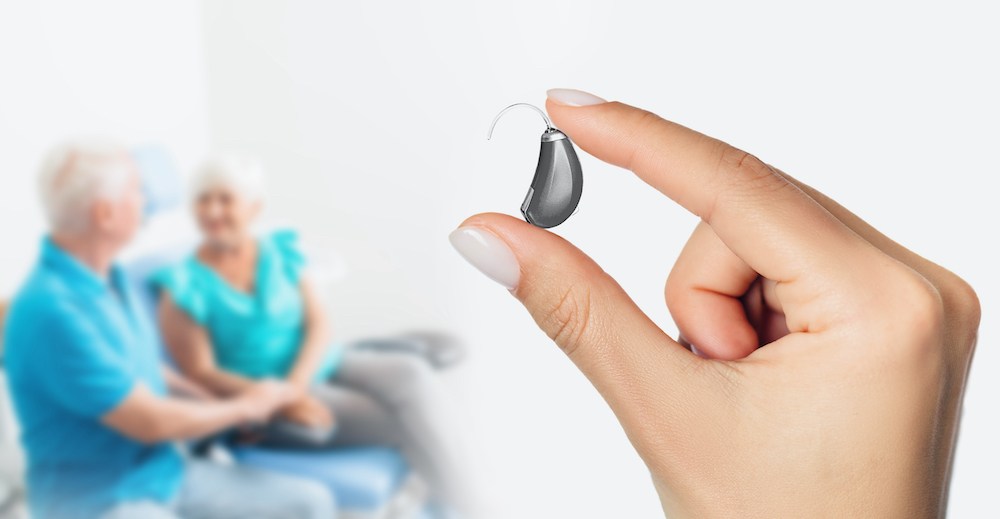
When you first receive your hearing aids, they are adjusted to fit your ears so they sit comfortably and provide clear sound. Over time, that fit can gradually change for reasons that are not always obvious.
Shifts in ear shape, weight changes, natural aging or wear in the hearing aid materials can all affect how securely the devices sit in your ears.
You may notice that they feel looser, produce more feedback or do not sound as clear as they once did. This mean the fit of your hearing aids need to be checked and possibly adjusted so they can continue to work as intended.
Scheduling routine follow-ups and paying attention to how your hearing aids feel and perform can help identify problems early. Monitoring fit and addressing changes as they arise, you can help ensure your hearing aids continue to support clear communication and comfortable everyday use.
A proper hearing aid fit matters because it affects how comfortable your devices feel from the moment you put them on to the end of your day. When the fit is right, your hearing aids stay in place without rubbing, slipping or causing pressure points, so you are less likely to notice them while you go about your normal routine.
A secure fit also helps the devices deliver clearer sound and reduces the chance of whistling or background noise that can be distracting or uncomfortable. When your hearing aids feel natural to wear, it becomes easier to focus on conversations, enjoy activities and stay connected without constantly adjusting or thinking about your devices.
As you get older, the structure of your ears can slowly change, even if you don’t notice it happening at first. The skin around the ears becomes thinner and less firm, and the cartilage can lose some of its strength over time.
This may cause the ears to droop slightly or change shape in small ways. These natural changes are not harmful, but they can affect how hearing aids rest on or in your ears. Inside the ear, the canal can also change shape as the tissues relax and shift with age.
This may cause the opening to become wider or narrower than it once was, which can influence how sound travels through the ear. For people who wear hearing aids, these changes may affect how securely the device fits or how well it seals the ear canal.
Understanding that ear shape can change throughout life helps explain why hearing devices sometimes need adjustments, even when everything once felt comfortable and worked smoothly.
Earwax plays an important role in keeping your ears healthy, but it can also interfere with how your hearing aids sit and function.
When wax gathers around the tip of the device or inside the ear canal, it can slightly shift the position of your hearing aid. This may cause it to rest at a different angle, sit more loosely or block the microphones so sound doesn’t come through as clearly.
You might start to notice changes like muffled listening, uneven volume or a hearing aid that just doesn’t feel as stable as it once did.
A heavier buildup of wax can also affect the space inside the ear canal, which can change how well the hearing aid seals. When that seal is affected, feedback or whistling becomes more likely and the device may begin to rub or cause irritation.
Keeping wax under control helps your hearing aids stay secure, comfortable and reliable so you can focus more on daily conversations and less on adjusting your devices.
Weight changes can sometimes affect the way your hearing aids fit because the soft tissue around your ears can shift as your body changes. Gaining or losing weight may slightly alter the shape or fullness of the outer ear and ear canal, which can change how securely your devices sit.
A fit that once felt snug may begin to feel loose, or a comfortable device may start to press in new places and cause irritation. These differences are usually gradual, so you may notice small changes first, like more feedback, slipping or sound that no longer feels as clear.
Paying attention to these signs and checking in for an adjustment when needed can help keep your devices comfortable and working the way they should.
When hearing aids do not fit as well as they should, sound quality is often one of the first things to change.
A loose or poorly sealed device can let sound leak out, which may lead to whistling or feedback that is distracting in everyday situations. You might also notice that speech sounds less clear or that background noise suddenly feels louder than before.
These small changes can make conversations harder to follow, even though the devices are still turned on and working. A fit that is slightly off can make a big difference in how natural and balanced the sound feels.
Comfort can also decline when the fit is not quite right. A device that moves around during the day may rub against the skin, cause soreness or create pressure in certain spots.
Over time, this can make you less likely to wear your hearing aids for as long as you should, which affects how well you stay connected to the world around you. Daily routines like working, socializing or relaxing at home can become more tiring when you are constantly adjusting your devices.
Making sure your hearing aids fit properly helps you avoid these issues so you can focus more on your day and less on your ears.
You might notice your hearing aid isn’t fitting properly if it starts to feel loose or shifts when you move, making it harder to keep in place throughout the day.
Whistling or feedback that wasn’t there before can also indicate that the device isn’t sitting correctly in your ear. Some people feel pressure or mild discomfort in certain areas or notice that sound seems less clear or uneven compared with when your hearing aid was first fitted.
Paying attention to these changes is important because a poor fit can affect both comfort and performance and addressing it early ensures your hearing aids continue to work effectively without causing irritation or frustration.
Earmolds and domes are important parts of many hearing aids, helping to create a comfortable and secure fit. Over time, these pieces can wear out or become less effective.
You may need an adjustment or replacement if you notice your device feels loose, causes irritation or does not seal well in your ear. Changes in ear shape, age-related factors and regular use all play a role in how often these parts need attention.
Common reasons for adjusting or replacing earmolds and domes include:
Routine visits with a hearing instrument specialist play an important role in keeping your hearing aids working comfortably and effectively over time. Even small changes in your ears, hearing levels or daily habits can affect how your devices fit and perform.
During these appointments, your hearing specialist can check the physical fit, clean the devices, fine-tune the settings and look for early signs of wear that you might not notice on your own.
These regular check-ins also give you a chance to talk about any concerns, like discomfort or changes in sound quality, before they turn into issues. Staying consistent with follow-up care helps ensure your hearing aids continue to support your daily conversations and activities.
If you notice redness, itching or dry skin around your ears while wearing hearing aids, allergies or skin changes could be the cause. These problems are often linked to materials in the device or reactions to soaps and lotions.
Switching to hypoallergenic hearing aid covers or cleaning products can help reduce irritation. Keeping the area clean and dry is also important for comfort.
If skin changes continue, using gentle moisturizers that are safe for sensitive skin may help soothe the area. Paying attention to any new symptoms can make it easier to keep your ears healthy while wearing your hearing aids.
Doing a few quick checks each morning can help make sure your hearing aids fit well and feel comfortable all day.
Start by gently placing the device in your ear and making sure it sits snugly without causing pressure or slipping out. If you notice any discomfort, soreness or changes in sound quality, these could be signs that you need an adjustment for your hearing aids.
Make sure the device is not loose or falling out, check for any redness or irritation after putting it in, listen for feedback or whistling sounds and confirm that speech and other sounds are clear. Taking a minute to do these checks each day helps keep your hearing aids working their best and supports daily comfort.
Cleaning your hearing aids does more than keep them looking nice.
Regular cleaning removes earwax and debris that can build up on the device and in small openings. When these areas are blocked, your hearing aids may not sit in your ear as they should.
A clean device fits better and is less likely to cause discomfort or slip out of place. Keeping your hearing aids free from buildup also helps maintain good sound quality and supports daily comfort.
Protecting your hearing aids when you are not wearing them helps prevent damage and keeps them working well.
Store your devices in a dry, protective case away from heat, moisture, pets and small children. Use a drying box or dehumidifier overnight to reduce moisture buildup and always remove the batteries if you will not be wearing your hearing aids for a few days.
Maintaining the right fit for your hearing aids supports clear sound and daily comfort.
Small changes in your ears, device parts or even daily habits can affect how well your hearing aids work. Regular cleaning, checking for damage and paying attention to comfort are all simple steps that help keep your devices fitting properly.
If you notice any changes in comfort or sound quality or if it has been a while since your last checkup, our team is here to help answer questions and provide support at any time. If you want guidance on how to maintain your hearing aid fit, you can reach The Hearing Guy in North Carolina in Asheville at (828) 333-5781 or Hendersonville at (828) 354-0722.
We are here to help you get the most from your hearing aids and support you in keeping them fitting their best over time.
Tags: hearing aid basics, hearing aid fitting, hearing aid repair
When you first receive your hearing aids, they are adjusted to fit your
By: admin | January 19, 2026

Getting hearing aids or starting treatment for hearing issues isn’t
By: admin | November 18, 2025
We encounter loud sounds more often than most people realize, from lawn
By: admin | August 21, 2025