
How to Maintain Optimal Hearing Aid Fit Over Time
When you first receive your hearing aids, they are adjusted to fit your

By: admin | November 18, 2025
Getting hearing aids or starting treatment for hearing issues isn’t a one-time event. Your hearing can change over time, and the devices you use need adjustments to keep working well for your life.
Follow-up care ensures that your hearing aids are still properly calibrated, that any minor issues get addressed before they become frustrating and that you’re getting the full benefit of your treatment.
Ongoing care helps you stay on top of these changes so your hearing support continues to match your actual needs.
Follow-up appointments also give you the chance to ask questions, troubleshoot concerns and learn about new features or options that could improve your experience.
Your hearing specialist can spot issues you might not recognize on your own and make tweaks that enhance how well you hear in different environments. Regular visits create a pattern of support rather than leaving you to figure things out alone between appointments.
This consistent attention helps prevent larger problems down the road and keeps your hearing health stable instead of letting it slowly decline without intervention.
Hearing changes gradually for most people, and these changes can result from a mix of biological, environmental and lifestyle factors.
Age-related changes in the inner ear, known as presbycusis, often affect the tiny hair cells in the cochlea that detect sound. These cells become less sensitive over time, especially for higher-pitched sounds, which can make voices, alarms or certain instruments harder to hear.
The auditory nerve itself can also slow in transmitting signals to the brain, further influencing how sounds are processed.
Years of repeated exposure to loud music, traffic, construction or industrial noise can damage the delicate structures in the inner ear, even if the noise seemed manageable at the time.
Temporary ringing or muffled hearing from a loud concert or worksite can accumulate, leaving subtle but permanent effects.
Certain medical conditions, such as diabetes, heart disease or high blood pressure, can also influence blood flow to the ear and affect hearing over time. Medications with ototoxic side effects, infections and even repeated colds or sinus issues may contribute to incremental changes in auditory sensitivity.
These changes often occur slowly and may not be immediately noticeable. People might realize they are struggling to follow conversations in noisy restaurants, missing soft background sounds or needing to turn up the volume on TVs or phones.
Small shifts in hearing can affect both ears differently, creating a gradual imbalance in how you perceive sound. Over months or years, these shifts can alter the way you experience everyday sounds, from music and television to conversations in social settings.
Awareness of these changes highlights the importance of paying attention to how your hearing shifts, even when it seems minor or gradual.
Your ability to hear can shift in ways that are easy to miss. Sounds that used to be clear might feel distant, conversations in groups may require extra effort or certain tones could start to fade.
These changes can happen differently in each ear and may show up more in busy environments or during phone calls.
You might also notice that everyday noises like doorbells, alarms or notifications are less noticeable, or that you ask people to repeat themselves more often. Even small differences can build up over time and affect how you experience your surroundings.
Regular follow-ups allow you to see how your hearing is adjusting over the months or years, influenced by age, environment or overall health. Identifying these shifts early provides a clearer picture of your hearing abilities and ensures any concerns are addressed before they start to interfere with daily life.
A hearing health check-up usually begins with a conversation about your hearing experiences and any changes you’ve noticed related to ear health.
Next, the hearing specialist will perform a series of tests to measure how well you hear different sounds and frequencies. These assessments might include checking your ability to hear soft tones, your responses to speech in various settings and evaluating how each ear functions independently.
Throughout the appointment, the specialist will explain each step and answer any questions you have.
After the testing, they will review the results with you, highlighting any areas of concern or changes in your hearing. This discussion helps you understand your current hearing abilities and what factors might influence them in the future.
Finally, the check-up provides an opportunity to plan next steps if any issues are identified. This could include scheduling follow-up evaluations or exploring strategies to support your hearing. Even if no significant changes are found, routine check-ups are valuable for tracking your hearing over time and ensuring you stay informed about your ear health.
After you start using hearing aids, regular check-ins with your hearing specialist play an important role in making sure your devices continue to meet your needs.
Even when hearing aids are adjusted perfectly at first, your hearing can shift over time or your daily listening situations may change. Routine appointments allow the specialist to monitor how well the devices are performing and identify any subtle differences that could affect your ability to hear clearly.
During these visits, your specialist can fine-tune settings based on your feedback, address any issues like discomfort or feedback, and review your progress in different environments.
These check-ins also help spot potential concerns early, such as changes in hearing or issues with the ear canal, before they become more noticeable in daily life.
Consistent follow-up ensures that your hearing aids continue to support your listening needs effectively and help maintain comfort and clarity in conversations, work and social activities.
During follow-up visits, your hearing specialist focuses on programming your devices to match your current listening needs. Over time, changes in how you perceive different sounds, environmental noise or frequency ranges may require updates to the hearing aid settings.
Adjustments can involve fine-tuning volume levels, modifying noise reduction or speech enhancement features, or switching between listening programs for specific situations.
These programming changes are tailored to how you actually experience sound in daily life. The specialist may address issues like sounds that feel too sharp or muffled, difficulty distinguishing speech in noisy settings or feedback that wasn’t present before.
Making these precise updates ensures the devices perform optimally for your unique hearing profile, helping you hear more clearly and comfortably across different environments.
Comfort plays a key role in how well you use hearing aids or other hearing devices. Even with a well-fitted device, you might notice pressure, rubbing or soreness after wearing it for extended periods.
These sensations can make using the device feel tiring or distracting, which may affect how often you wear it.
Many comfort issues can be resolved with small adjustments. Your hearing specialist can modify the fit, change the earmold or tip, or make minor tweaks to the device itself to reduce pressure points.
Addressing these concerns early ensures your devices are easier to wear, so you can focus on listening rather than discomfort.
During follow-up appointments, your professional will share simple cleaning and maintenance tips to help you care for your devices. These tips help keep your hearing aids working well and lasting longer.
You may learn how to remove earwax, change filters or safely store your devices at night. Practicing these habits can prevent problems like weak sound or device failure.
Regular cleaning keeps your hearing aids comfortable and clear. Using the right tools and following our instructions makes a big difference in how your devices perform each day.
Good maintenance supports better hearing and reduces the need for repairs over time.
Regular support from the hearing professional helps prevent small problems from becoming larger issues. These visits include checks for fit, sound quality and any signs of damage.
Your hearing specialist can spot things like weak batteries, clogged microphones or loose parts early on. This kind of care keeps your hearing aids working smoothly and reduces the chance of sudden breakdowns or discomfort.
Your hearing specialist can help with earwax removal when buildup begins to affect hearing or comfort. Excessive earwax can block sound and sometimes cause temporary muffled hearing or discomfort.
During an appointment, the specialist may use safe, precise techniques to remove the wax, helping restore clearer hearing and prevent irritation or infection. This is a common concern that can be addressed quickly, and regular check-ins ensure it does not become a recurring problem.
Tinnitus management is another topic you might cover with your specialist. Persistent ringing, buzzing or other phantom sounds in the ears can be distracting or stressful.
The specialist can evaluate the severity of tinnitus, identify potential triggers and discuss treatment options that reduce its impact on daily life.
Treatment plans may include sound therapy, personalized hearing device settings or strategies to help minimize the perception of these sounds.
Custom hearing protection is also an important consideration, especially for those exposed to loud environments.
Whether at work, while playing music or during recreational activities, properly fitted protection can prevent further hearing damage. Your specialist can create custom devices that fit securely and comfortably while still allowing you to hear important sounds around you.
Discussing these options ensures you have the right protection for your specific needs and lifestyle.
Keeping up with your hearing care goes beyond just wearing your devices. Follow-up visits make it possible to catch small changes, address minor issues and make sure your hearing support continues to work as it should in daily life.
These appointments let your specialist fine-tune settings, answer questions and ensure that your devices are meeting the demands of different environments.
Ongoing check-ins help you feel confident that your hearing care is staying aligned with your needs. They also give you the opportunity to learn about new features or adjustments that can make everyday listening easier.
For support and guidance, you can reach The Hearing Guy in North Carolina at Asheville at (828) 333-5781 or Hendersonville at (828) 354-0722. Regular attention keeps your hearing devices performing well and helps maintain your overall hearing health over time.
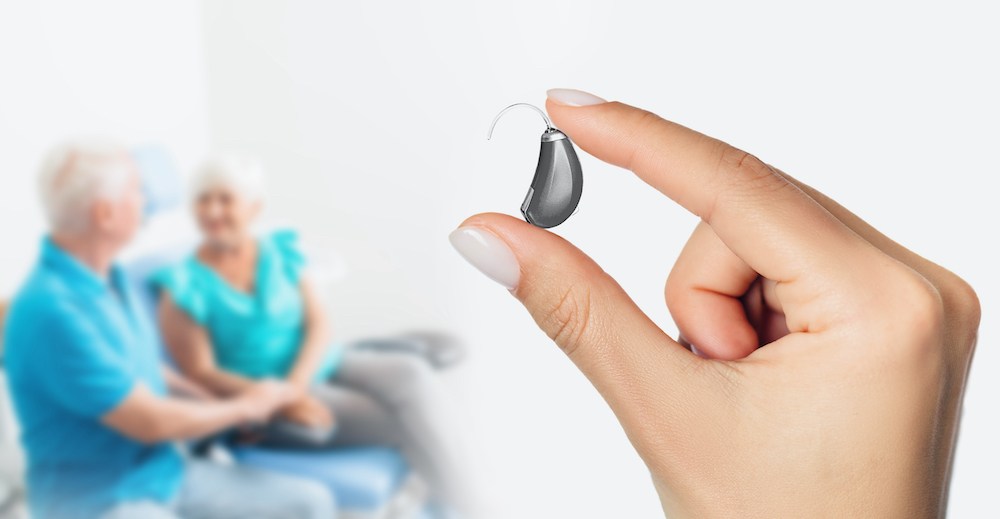
When you first receive your hearing aids, they are adjusted to fit your
By: admin | January 19, 2026
Getting hearing aids or starting treatment for hearing issues isn’t
By: admin | November 18, 2025
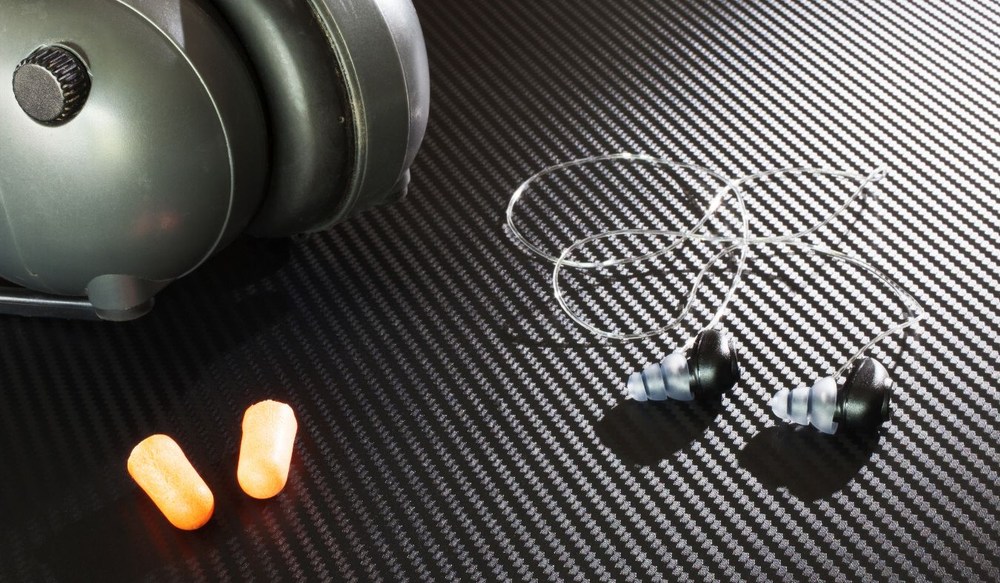
We encounter loud sounds more often than most people realize, from lawn
By: admin | August 21, 2025